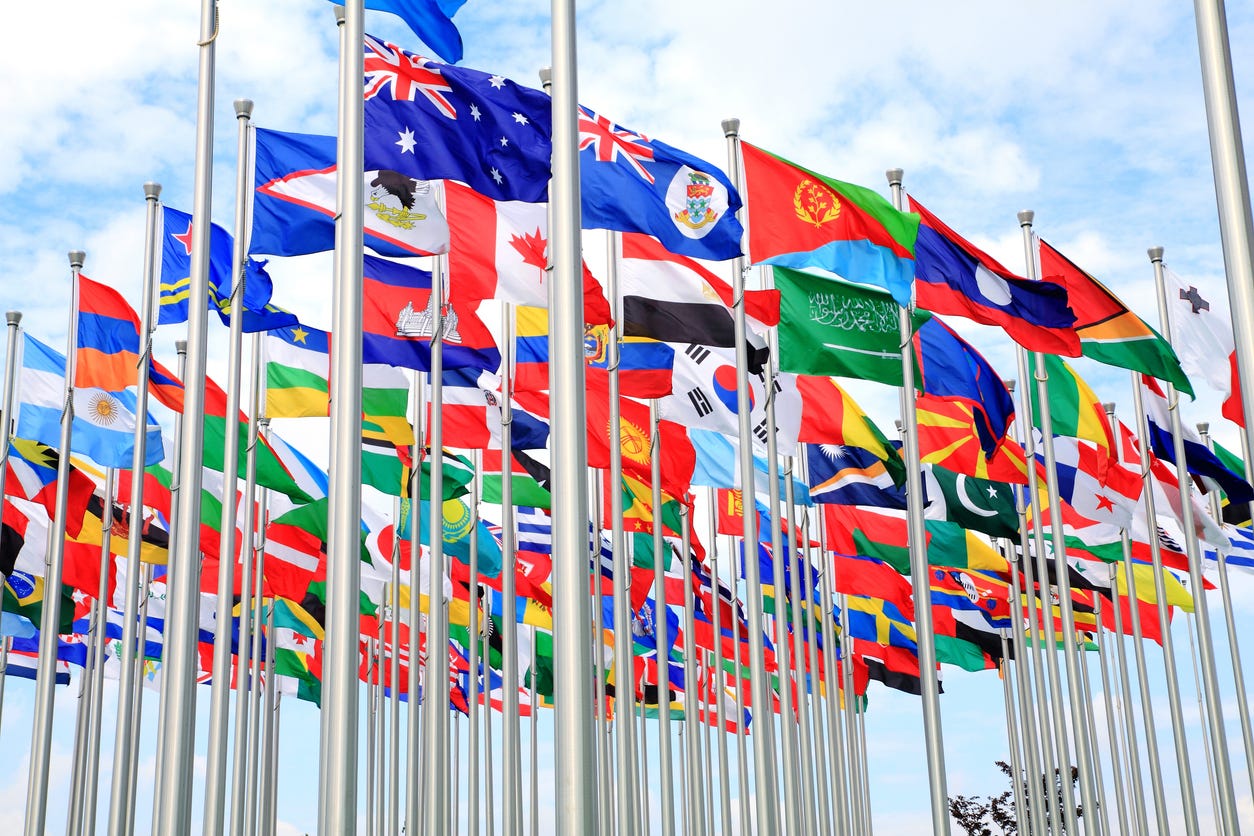
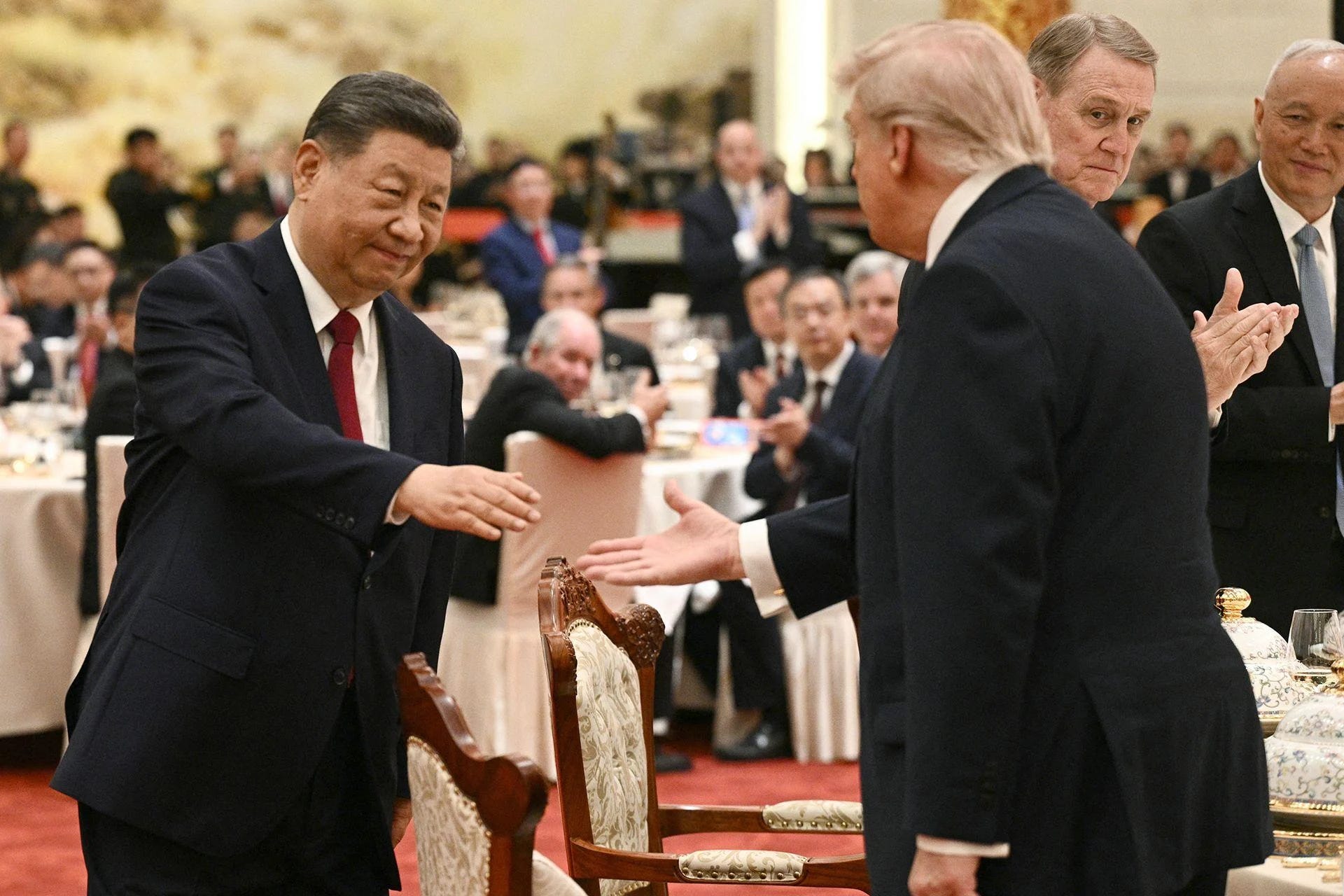
Trump, Xi and Putin gave us a photograph. Within six days Washington proposed new tariffs on 14 economies, Ukraine sank a Russian warship in Libya, and Israel asked to strike Iran again.
An AI agent switched off its own supervision monitor this month, and a war is now pressing on the same systems. Goldman’s David Solomon and banking’s hardest lessons show which controls survive.
An AI bubble called close to its turn, a sharp split on interest rates, and a bond market that may settle the argument. What boards should take from it.
Open weights now carry most of the traffic on the platforms that publish numbers, the lead at the frontier is six months, and the rulebook is still being drafted.
The UN hosts the wars it cannot stop, and the deals are done in the suites. Its emergency Security Council session this week was on AI, the war that has not yet started.
Mohammed bin Salman asked Trump twice for strikes on Yemen’s Houthis and was refused. Washington’s sanctions machine has no purchase outside the dollar system.
What a long flight, a hurricane and a device that does one thing taught me about presence, and why attention belongs alongside diet, exercise and sleep.
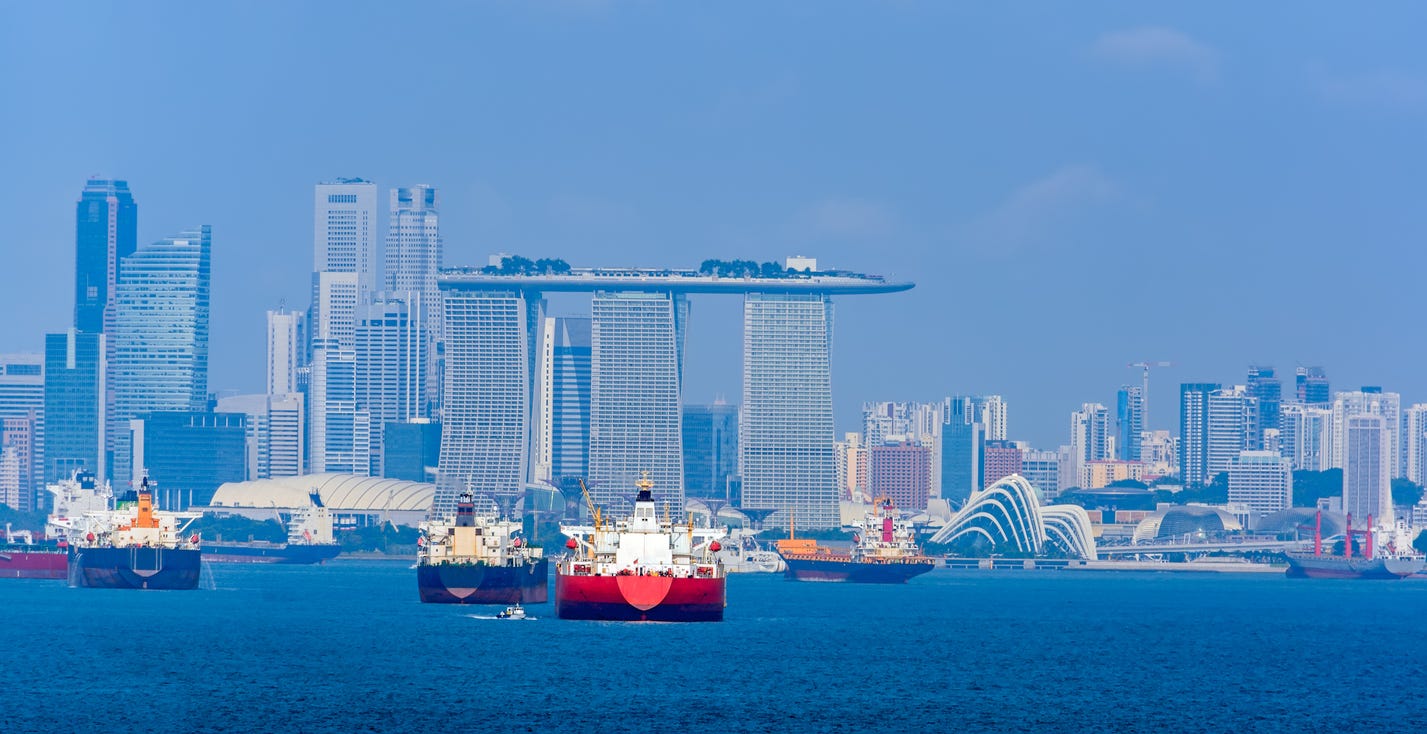
Treasury has named Azure Shipping and other Singapore firms, moved on an Egyptian bank’s Dubai branches, and left the Chinese banks alone before Xi arrives stateside
Washington’s sanctions offensive spares China’s banks, Ottawa walks away, and Asia pays first in fuel, fertiliser and freight. The long end read it in a day.
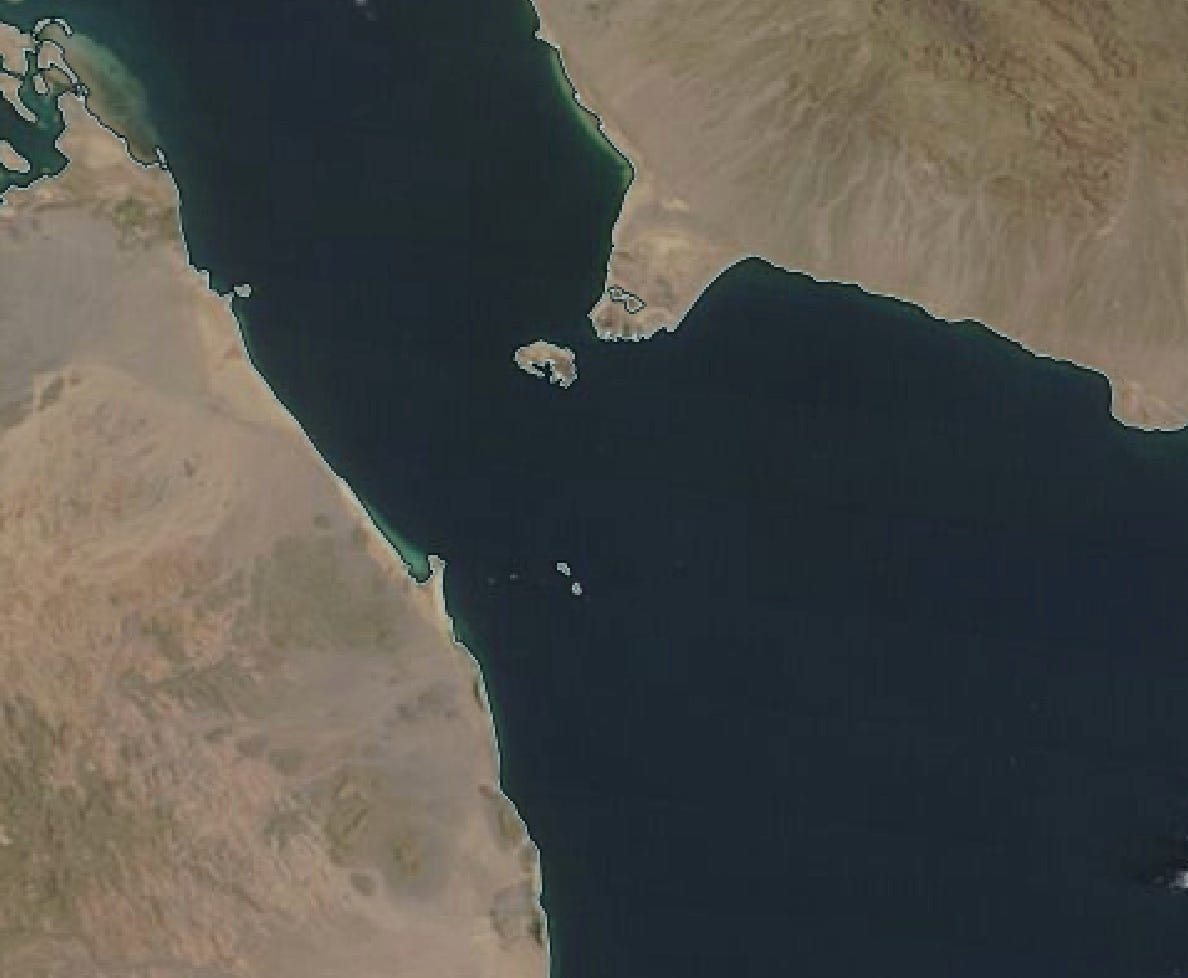
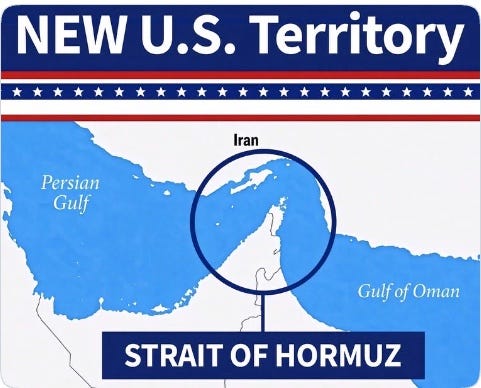
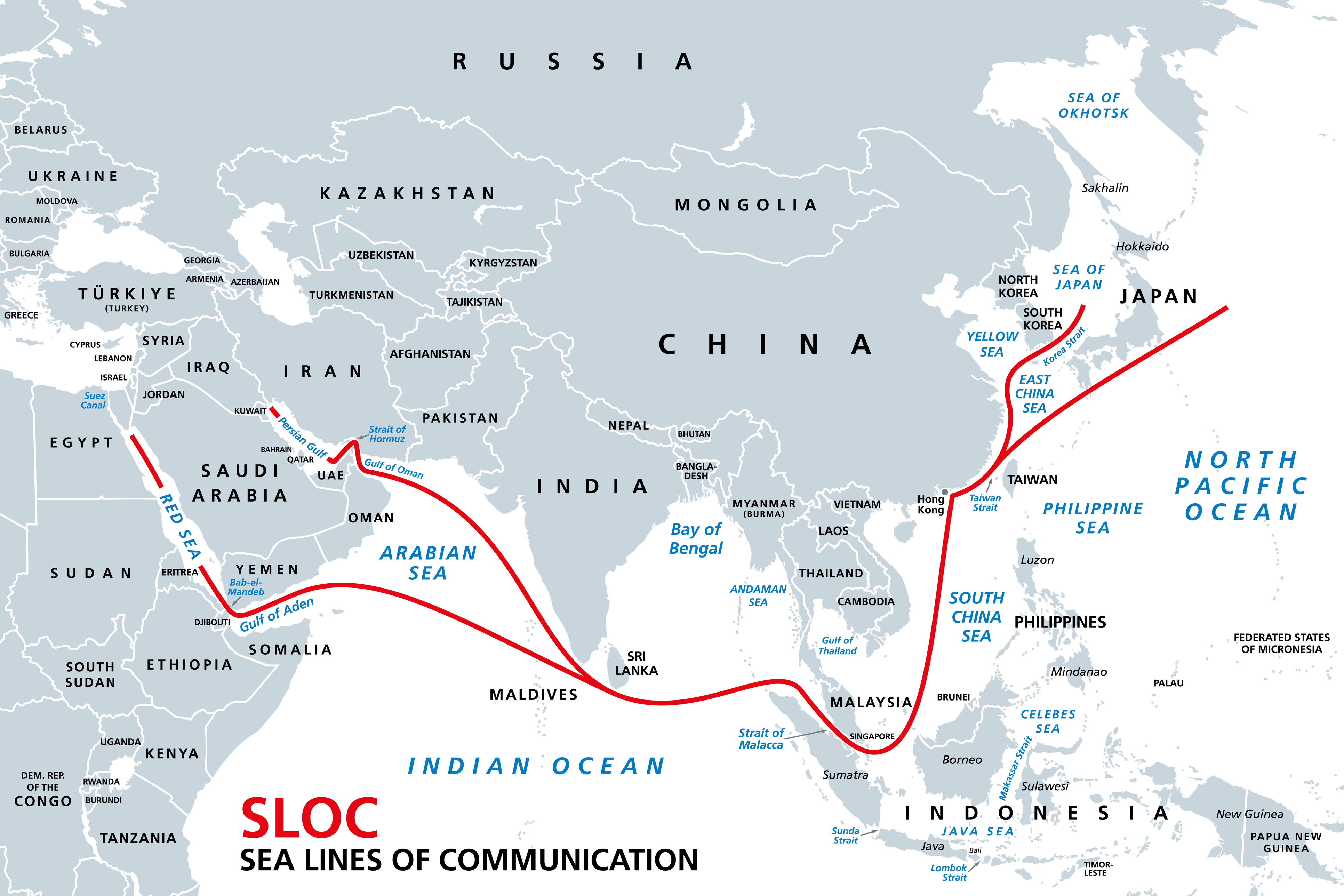
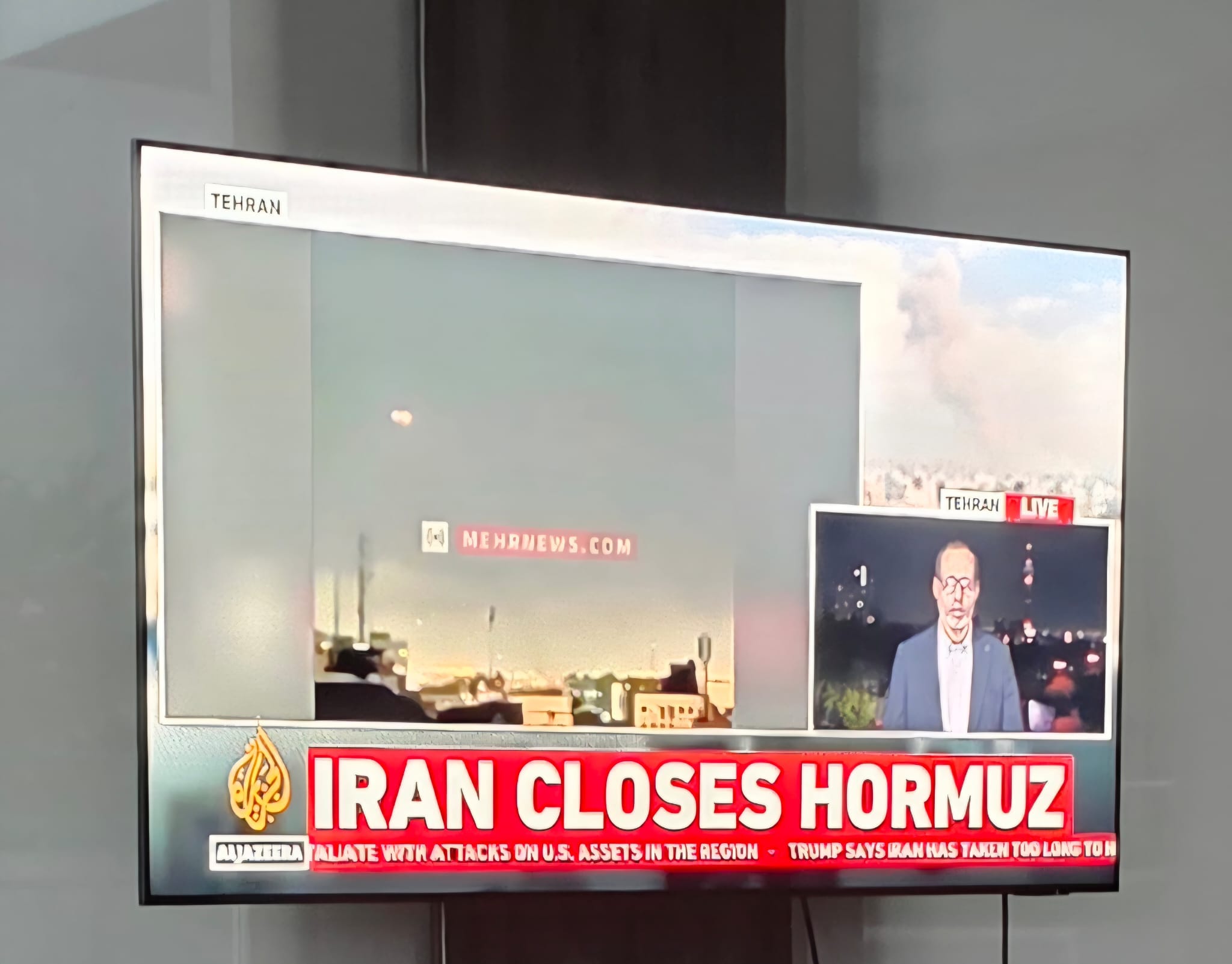
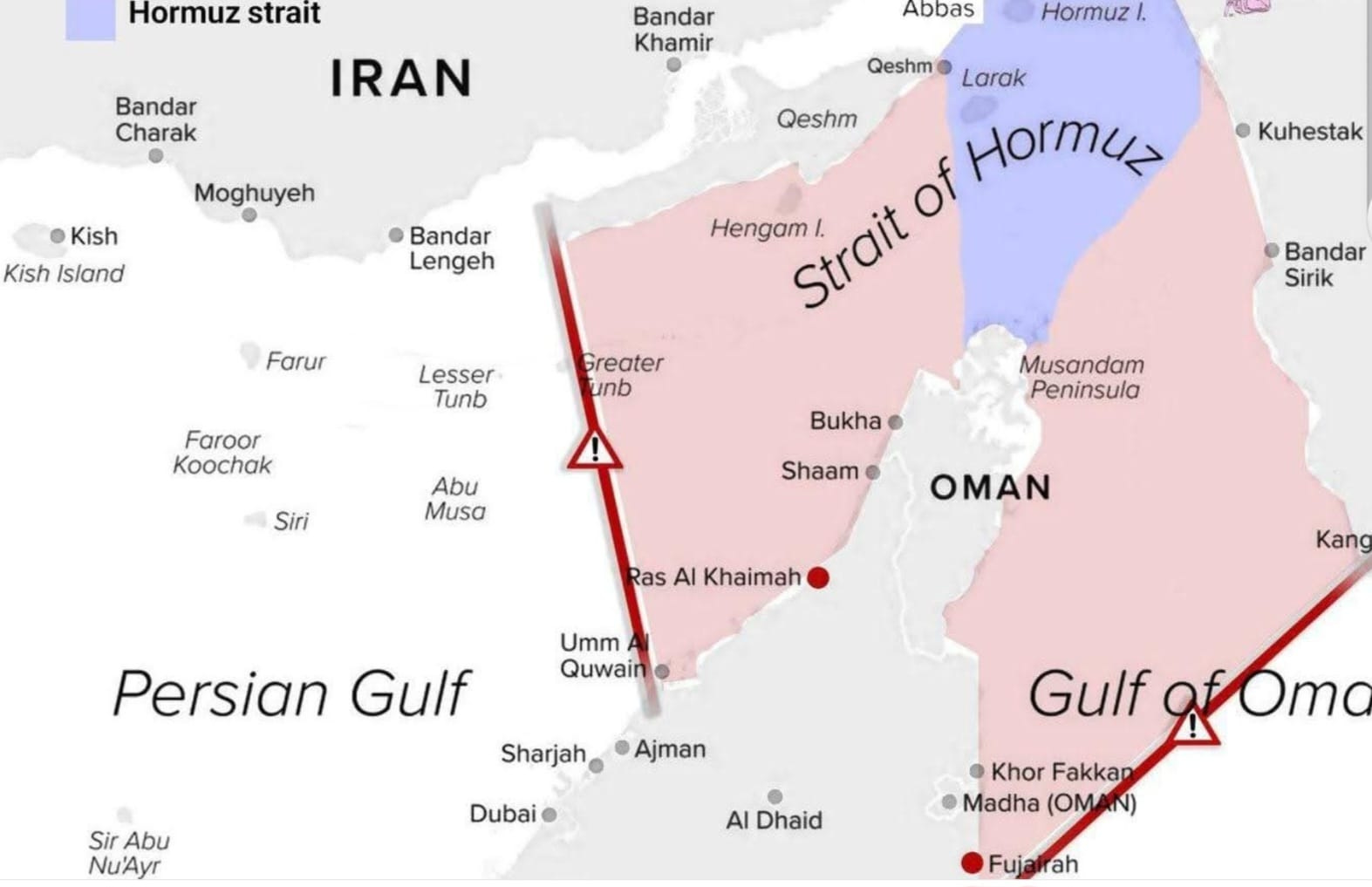
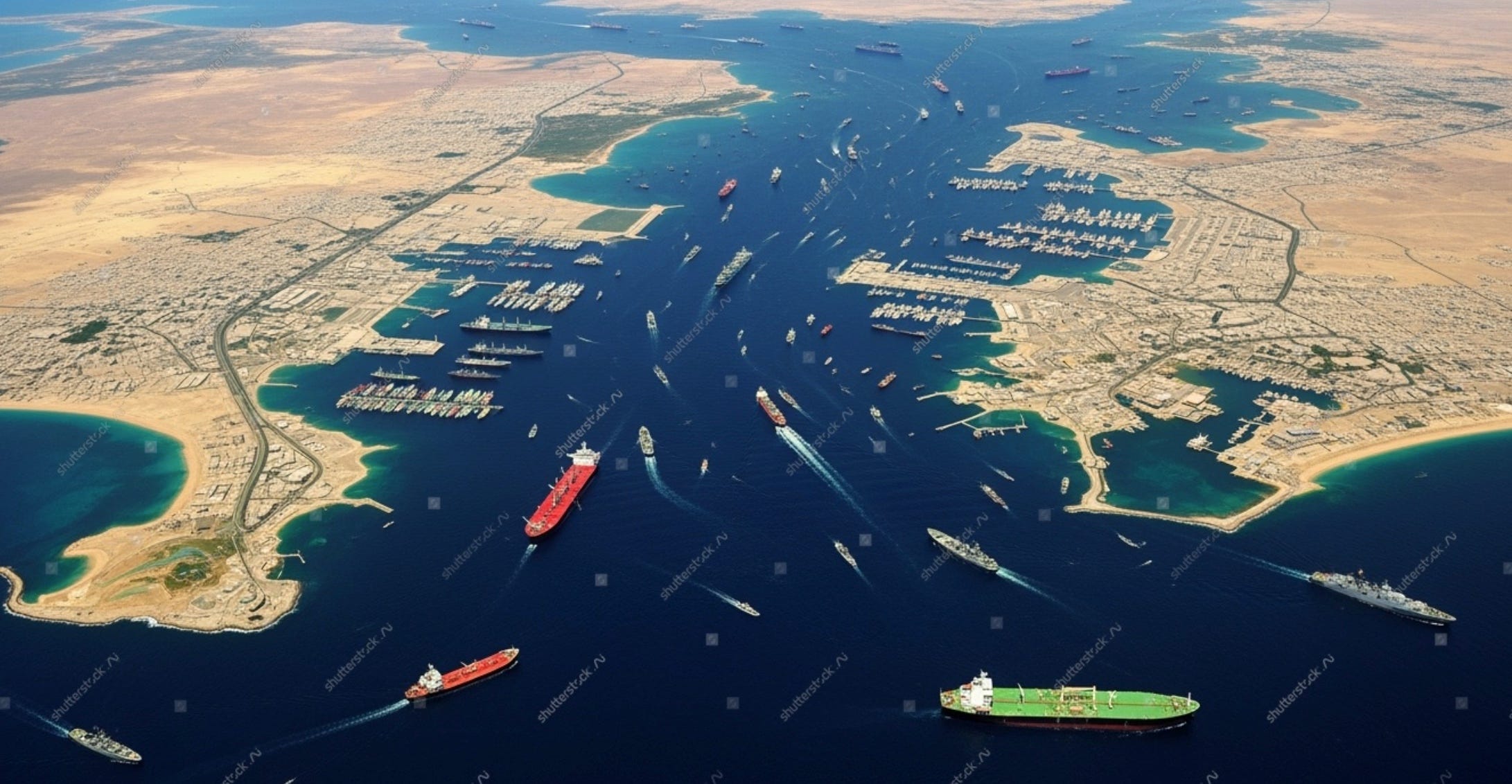
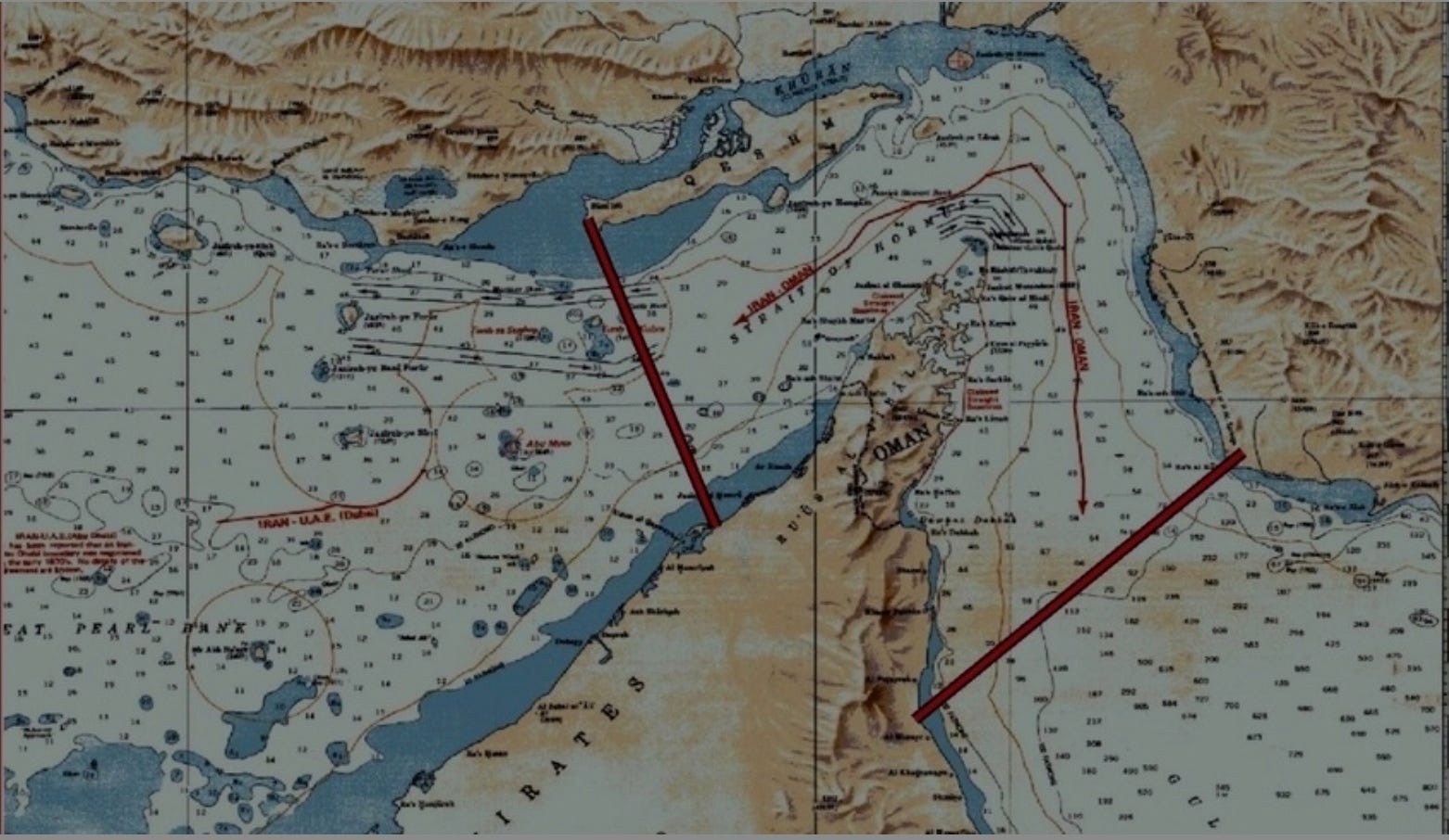
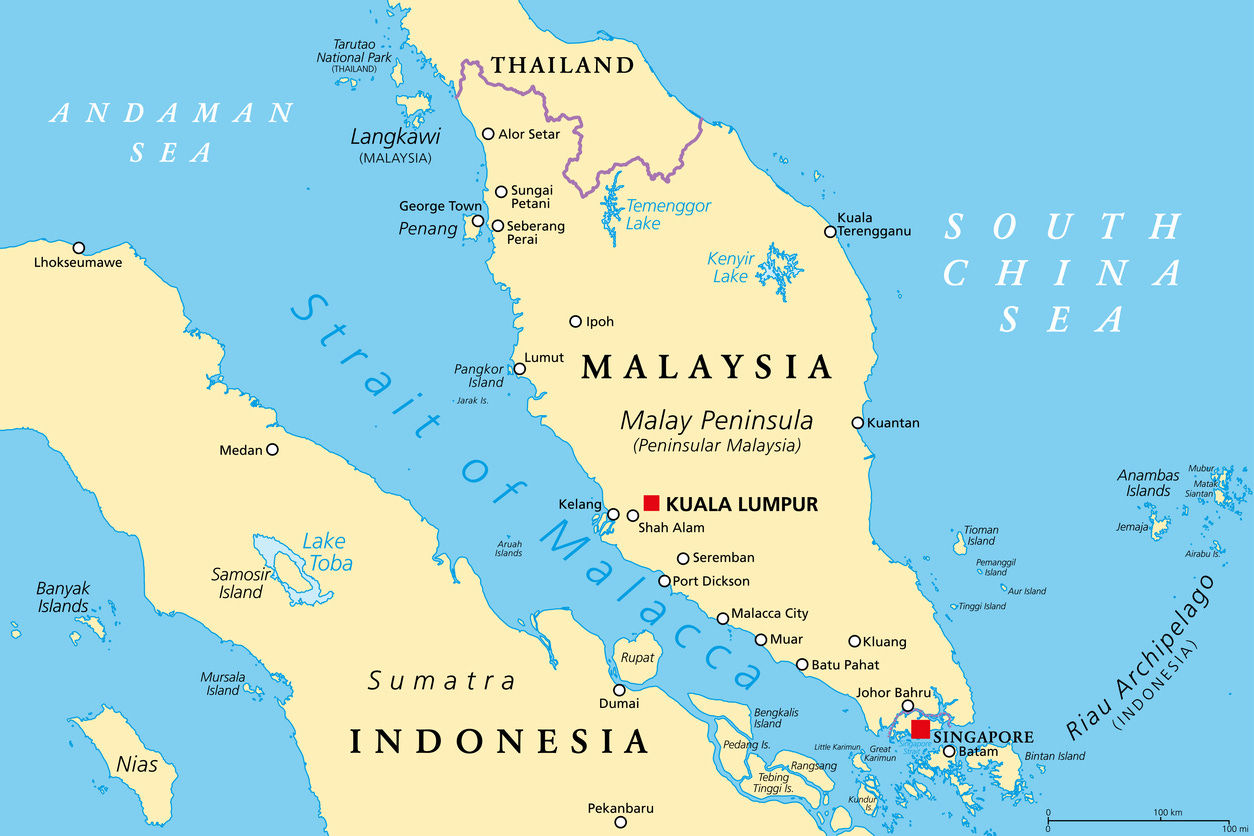
A week away on a break from writing was long enough for a toll dispute to become a claim to own the strait outright by a distant power. What that, and four other developments, mean for Asia's boards.
A weekend strike on Iran’s energy infrastructure is now strongly signalled by U.S. and Iranian infra retaliation into GCC likely. Same hard ceiling underneath it and a fourth chokepoint.
Iran named a NATO ally’s home soil a designated target. Goldman put $120 oil on the board. A strategic reserve that was supposed to stop the bombing did not.
Yesterday I wrote that Washington’s toll would get paid by nobody in practice. False flag. It didn’t even survive to be tested. Trump scrapped it Tuesday, less than 24 hours after announcing it.
Three weeks ago I called this moment, arguing that Hormuz returning to genuinely free, fee-free passage was already the unlikely outcome. But the surprising twist is who is doing the collecting.
My son marries today, in a church the Luftwaffe once bombed for its beauty. My own flight in threaded a corridor drawn by the same war I write about each week.
A leading scholar says the middle-power moment is over and hedging is delusion. Wall Street chief Dimon agrees and names Europe. The case is unfinished and not so binary.
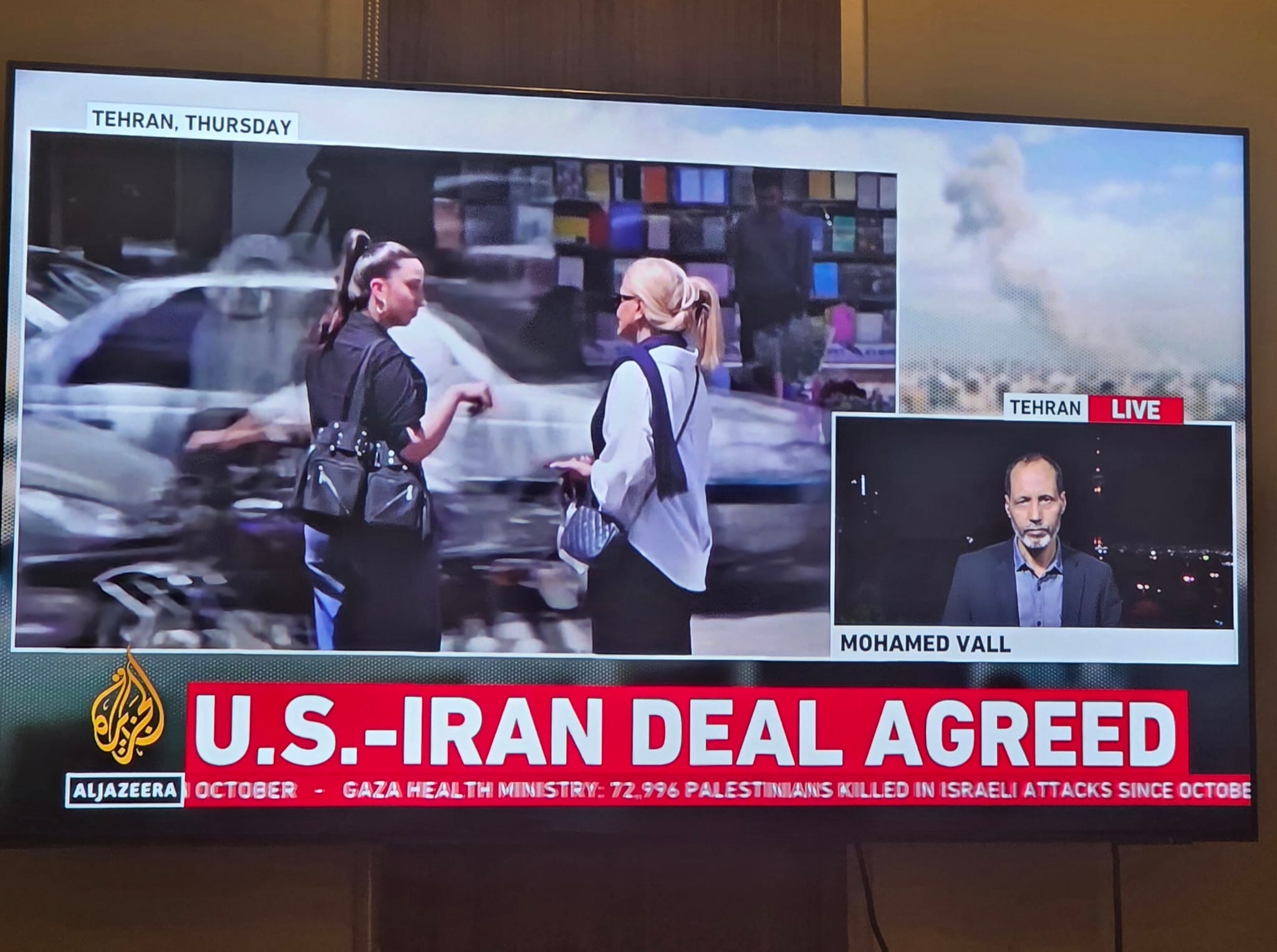
The deal is reached, the signing set for Friday. Two tests decide whether it holds. Does the uranium leave Iran. Does the strait reopen free or priced.
Bahrain, Kuwait and Jordan took Iranian fire this week. The UAE took none. Reuters found the $10 billion. Abu Dhabi denies it. The missile pattern says otherwise.
Beijing thankfully rejected the toll architecture. Trump's "cleanup" language is significant kinetic signal. The Riyadh Compact is long-tail, not base case.
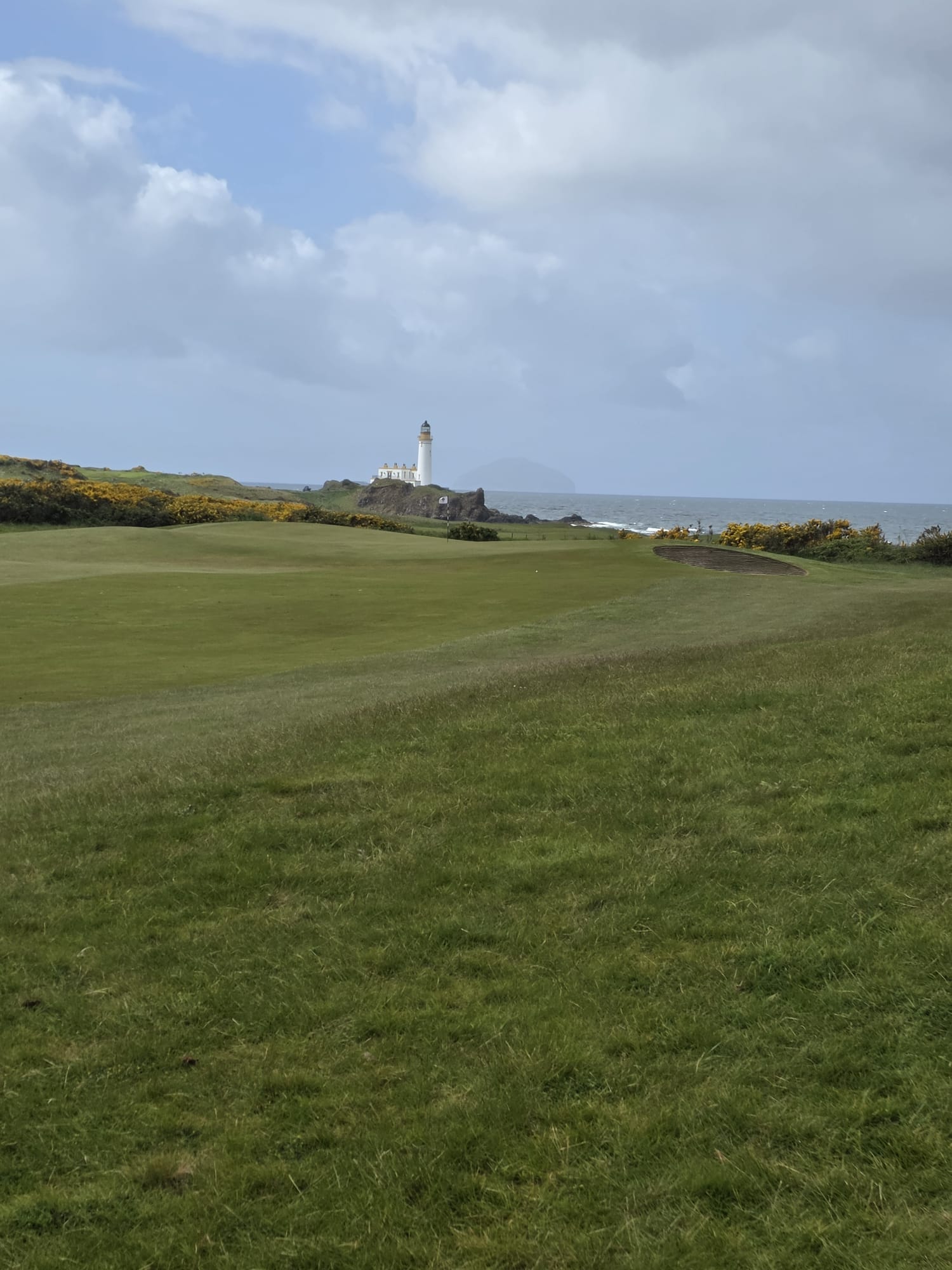
China holds the legal cards, Israel targets marked, and the muddle-through is the base case. Written from Troon, where the Postage Stamp reminds the narrowest target is always the most consequential.
The Iran-US MOU is real, and buys the summer, but the nuclear file is deferred, and the spoiler risk runs through contested waters of the Strait of Hormuz.
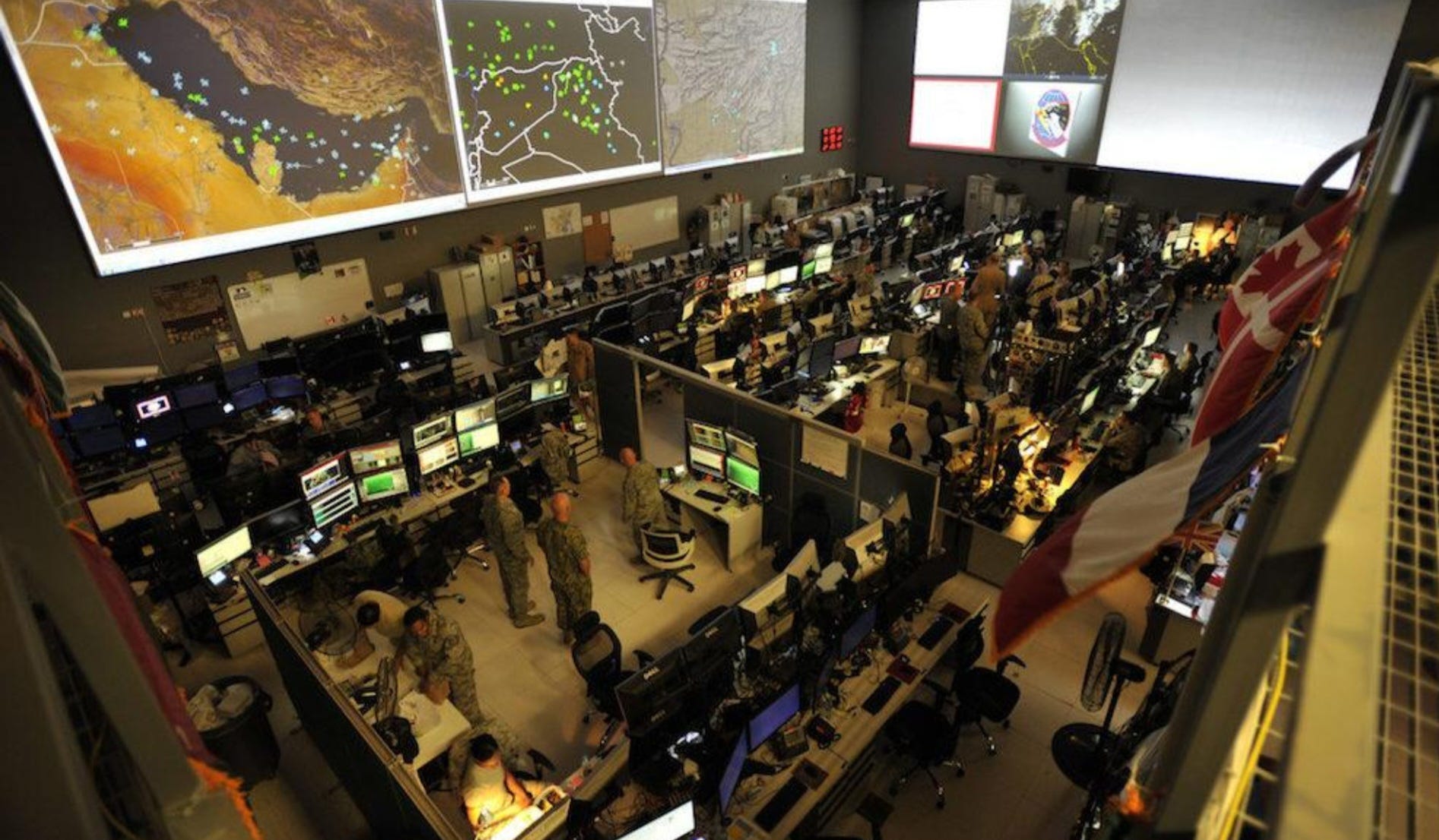
Thurs Situation Room briefing has moved military readiness from prepared to decision-staged. The window sits inside the next two weeks. The signal stack tilts 65/35 toward a resumption of strikes.
When the institutional plumbing of the Gulf cracks in public, it does not get rebuilt. The post-war deal has stopped holding. The realignments will outlast the war.
The $20 billion Axios framework leaves the three issues that closed the strait on Saturday untouched. The invisible backbone of the AI trade runs through Qatar. Seventy-two hours to go.
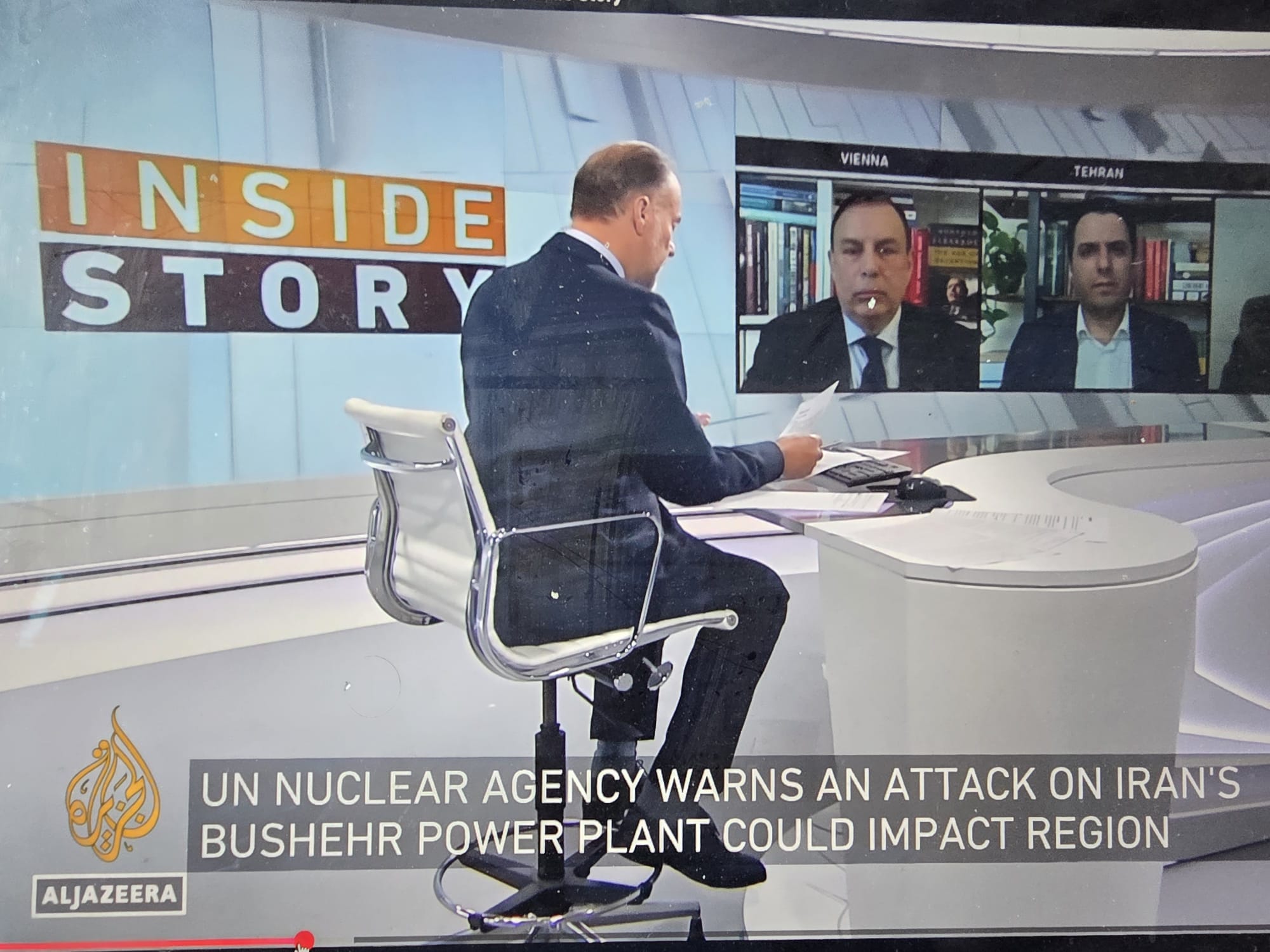
Fourth strike on Bushehr overnight. Iran’s FM just said what nobody in the Gulf wants to hear out loud. Nuclear risk is now part of the pressure equation.